
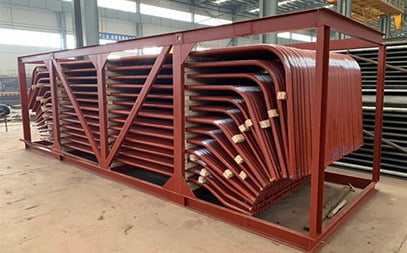
Convection Tube Bundles
High-efficiency heat transfer solutions for industrial boilers and power plants. ASME & GB code compliant with superior thermal performance.
Frequently Asked Questions
Get expert answers to the most common questions about convection tube bundles from industry professionals.
What are convection tube bundles used for in industrial boilers?
Convection tube bundles are critical heat transfer components in industrial boilers that recover waste heat from flue gases. They enhance overall boiler efficiency by transferring heat from hot combustion gases to the working fluid (water/steam) through convective heat transfer.
- Heat recovery from exhaust gases (300-600°C)
- Improved thermal efficiency (up to 15% increase)
- Reduced fuel consumption and operating costs
- Lower emissions and environmental impact
How do you select the right material for convection tube bundles?
Material selection depends on operating temperature, pressure, corrosion resistance requirements, and economic factors. Our engineering team evaluates these parameters to recommend optimal materials:
Carbon Steel (SA-210)
- • Temperature: Up to 454°C
- • Pressure: Up to 16.5 MPa
- • Cost-effective solution
- • Standard applications
Alloy Steel (SA-213)
- • Temperature: Up to 650°C
- • High pressure applications
- • Corrosion resistant
- • Extended service life
What are the key design parameters for convection tube bundles?
Our design process considers multiple parameters to optimize heat transfer efficiency and ensure reliable operation:
Thermal Design
- • Heat transfer coefficient
- • Temperature profiles
- • Pressure drop calculations
- • Thermal stress analysis
Mechanical Design
- • Tube diameter and thickness
- • Tube pitch and arrangement
- • Support structure design
- • Expansion joint requirements
Operational Factors
- • Cleaning accessibility
- • Maintenance requirements
- • Fouling considerations
- • Service life expectations
How do you ensure quality and compliance in tube bundle manufacturing?
ORL Power maintains strict quality control throughout the manufacturing process, ensuring compliance with international standards:
Quality Standards
Testing Procedures
- • Material chemical composition analysis
- • Mechanical property testing
- • Non-destructive testing (NDT)
- • Hydrostatic pressure testing
- • Dimensional inspection
- • Surface quality examination
What maintenance is required for convection tube bundles?
Proper maintenance ensures optimal performance and extends service life. Our maintenance recommendations include:
Regular Inspections
- • Visual inspection monthly
- • Thickness measurements annually
- • Leak detection testing
- • Thermal imaging analysis
Cleaning Procedures
- • Soot blowing systems
- • Chemical cleaning cycles
- • High-pressure water cleaning
- • Fouling deposit removal
Preventive Actions
- • Water treatment optimization
- • Corrosion monitoring
- • Support system checks
- • Performance monitoring
What is the typical delivery time and installation process?
Manufacturing Timeline
Installation Support
- Detailed installation drawings and specifications
- On-site technical supervision available
- Commissioning and startup assistance
- Training for operation and maintenance staff
- Warranty and after-sales support
Technical Specifications
Comprehensive technical data for convection tube bundle design and performance optimization.
Operating Parameters
Material Standards
Carbon Steel
Alloy Steel
Stainless Steel
Super Alloys
Performance Comparison
| Configuration | Heat Transfer Coefficient | Pressure Drop | Efficiency Gain | Applications |
|---|---|---|---|---|
| Inline Arrangement | 45-65 W/m²K | Low | 8-12% | Standard boilers |
| Staggered Arrangement | 65-85 W/m²K | Medium | 12-18% | High efficiency units |
| Enhanced Surface | 85-120 W/m²K | Medium-High | 18-25% | Premium applications |
Get Professional Consultation
Contact our engineering team for custom convection tube bundle solutions tailored to your specific requirements.
Why Choose ORL Power?
15+ Years Experience
Specialized in industrial boiler components since 2009
Global Standards
ASME, GB, EN code compliance and certifications
Custom Engineering
Tailored solutions for specific applications and requirements