
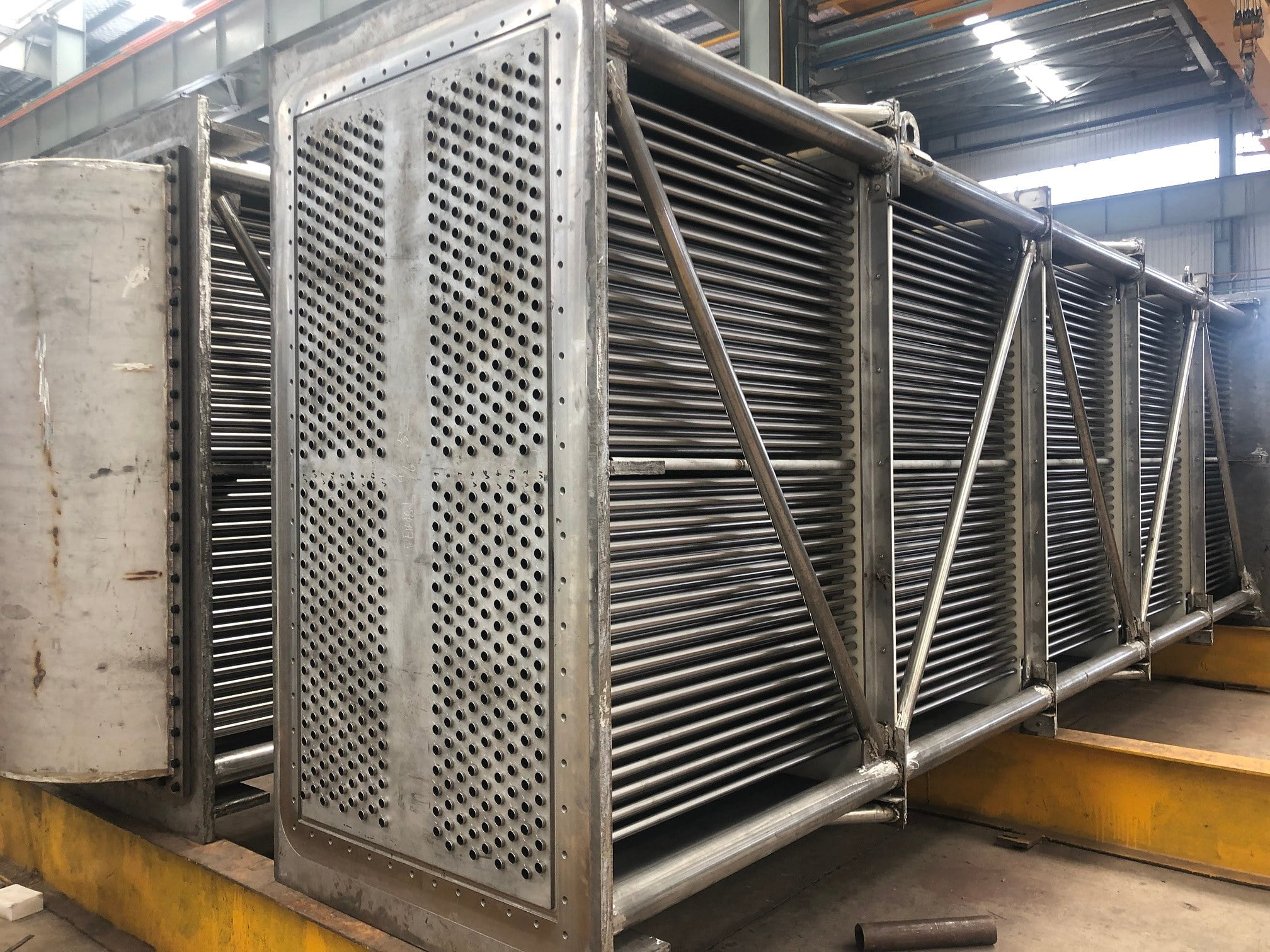
Boiler Air Preheater (APH)
Heat Recovery for CFB & Industrial Boilers
ORL designs and manufactures shell & tube air preheaters to recover waste heat from flue gas and preheat combustion air, helping you reduce fuel consumption and improve overall boiler efficiency.
Air Preheater Types
Shell & Tube APH Solutions
We focus on shell & tube type boiler air preheaters, suitable for CFB, biomass, waste incineration and industrial steam boilers.
Standard Tubular APH
Carbon-steel tubes for clean or moderate flue gas conditions. Cost-effective solution for most industrial boiler applications.
- • Finned Tubes & Headers
- • Convection Tube Bundles
- • Steam Drum Manholes
Enamel-Coated Tubes
Applied where low-temperature corrosion or fouling is critical. Protective coating extends service life in challenging environments.
- EN 10204 3.1 MTC
- NDT & Dimensional Reports
- 3rd Party Witness Support
High-Alloy / ND Materials
ND(09CrCuSb) and other grades for high sulfur and high acid-dew-point environments. Essential for waste-to-energy plants.
- • Fast Q&A Response
- • QCP/ITP Customization
- • Global Logistics (Shanghai Port)
Typical Materials for APH
| Component | Common Materials | Design Focus |
|---|---|---|
| Heat exchange tubes | SA178, SA179, SA192, SA210A1, SA106B, 20#, Q235B | Heat transfer, strength and manufacturability |
| Corrosion-resistant tubes / panels | ND(09CrCuSb), alloy steels as per spec | Low-temperature corrosion / acid dew point areas |
| Casing & support | P195GH, P235GH, P265GH, carbon steels | Structure, expansion and maintenance space |
Manufacturing Excellence
Engineered for Pressure
We combine boiler pressure-parts experience, material know-how and project communication to support your CFB and industrial boiler upgrades.
Engineering-Driven Design
Air preheater layout, tube pitch and flow arrangement are based on your flue gas data, boiler drawings and cleaning method, not just a catalogue size.
Material & Corrosion Expertise
Experience with ND(09CrCuSb) and enamel-coated tubes for low-temperature corrosion zones in waste-to-energy and biomass boilers.
Controlled Fabrication & NDT
Tube cutting, welding, leak tests and NDT (RT/UT/PT/MT as specified) are performed according to procedures, with full material traceability.
Transparent Project Communication
Project engineers follow your order from drawing review to packing photos, so your engineering and purchasing teams always know the status.
Quality Assurance
Certified Manufacturing Strength
Boiler and pressure-vessel manufacturing qualifications, supported by documented material control and inspection records.
Code-based Design & Fabrication
APH and related pressure parts are designed and manufactured under applicable boiler and pressure-vessel codes and internal quality system.
Material Traceability
Each tube bundle and casing is linked with MTCs, identification marks and fabrication records to support future inspection and replacement.
Third-Party Inspection Ready
We cooperate with appointed third-party agencies according to your ITP, including witness of material, welding and final inspection stages.

Grade A Boiler
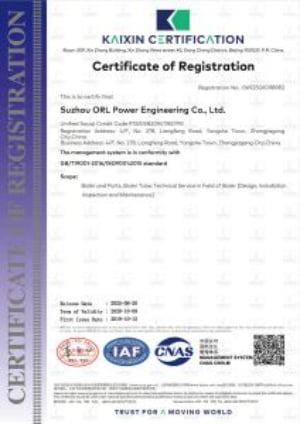
ISO 9001
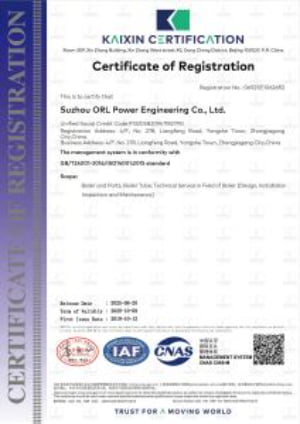
ISO 14001
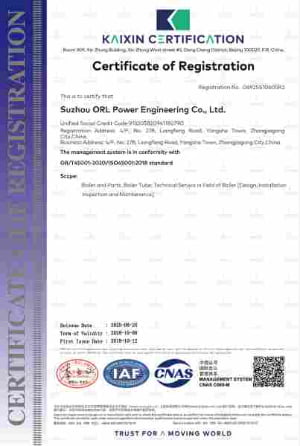
ISO 45001
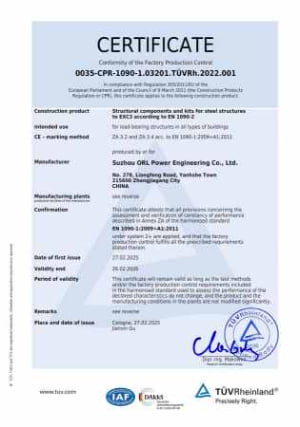
EN 1090
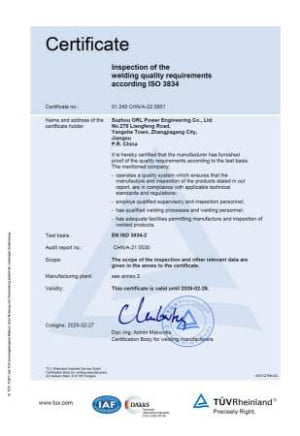
EN 3834

ASME S

ASME U
Manufacturing Capabilities
Precision Engineering Facilities
Dedicated production lines for boiler pressure parts and air preheaters, covering forming, bending, welding, machining, laboratory testing and NDT.
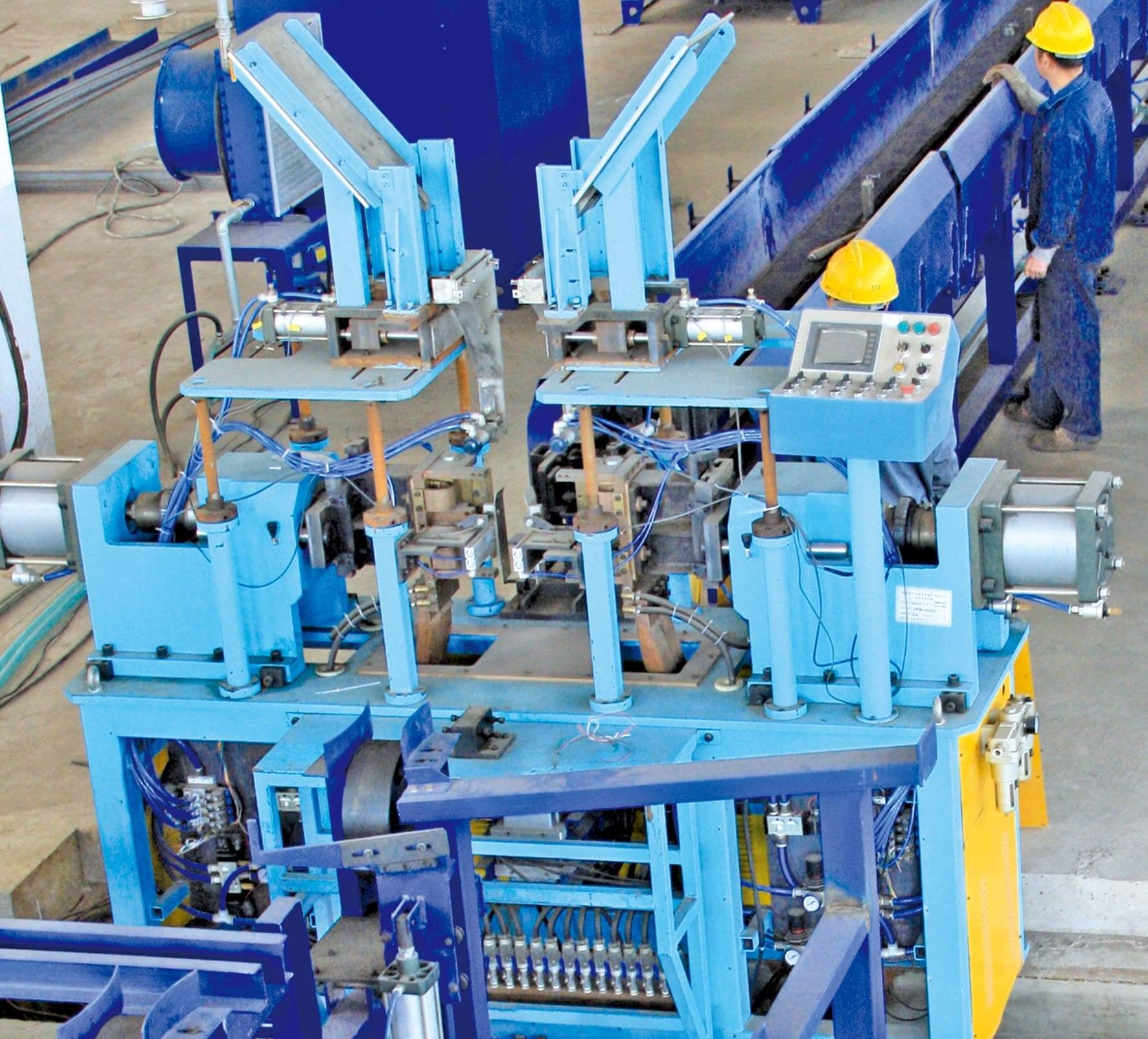
Automatic Plate Machine
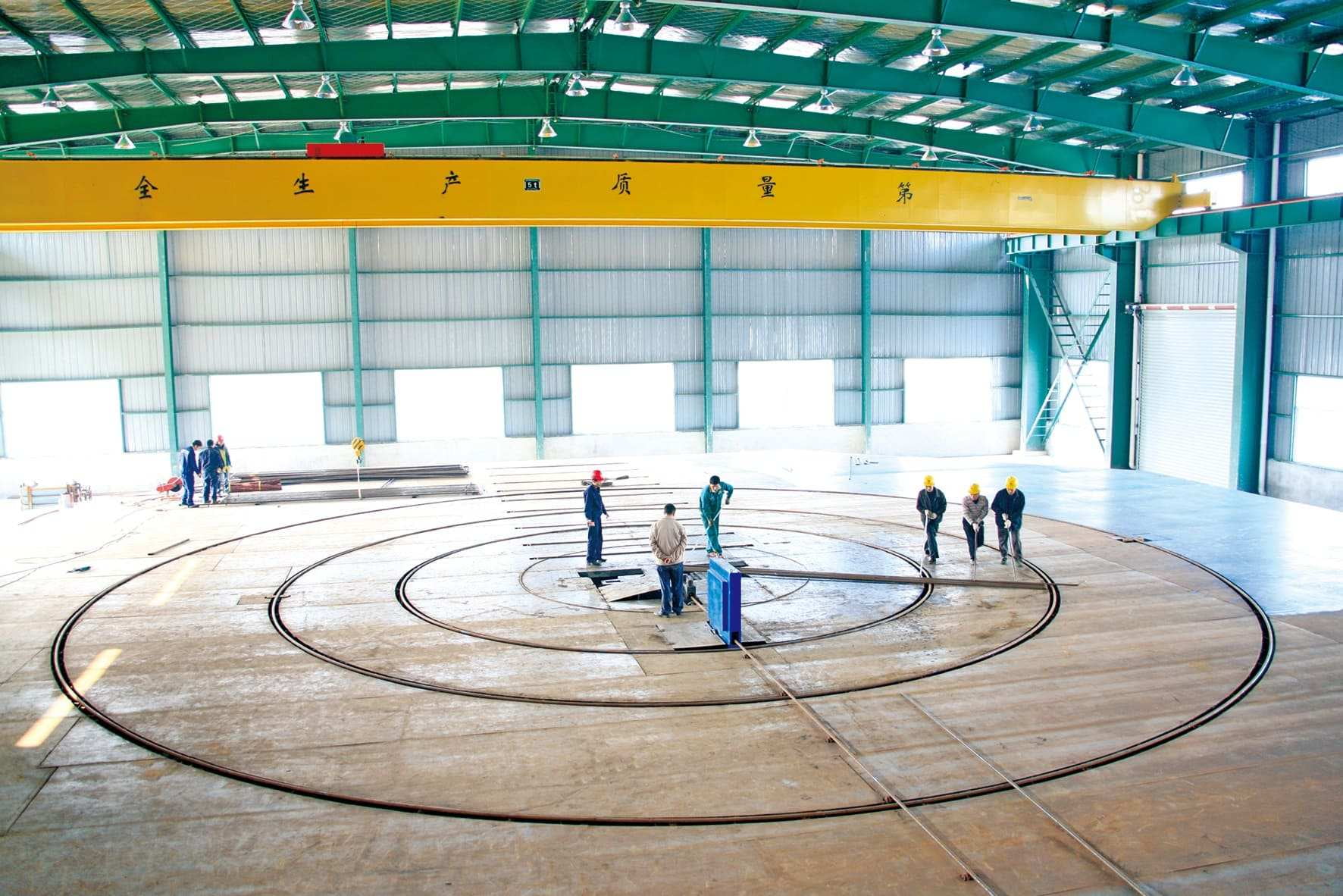
Pipe Bending Machine
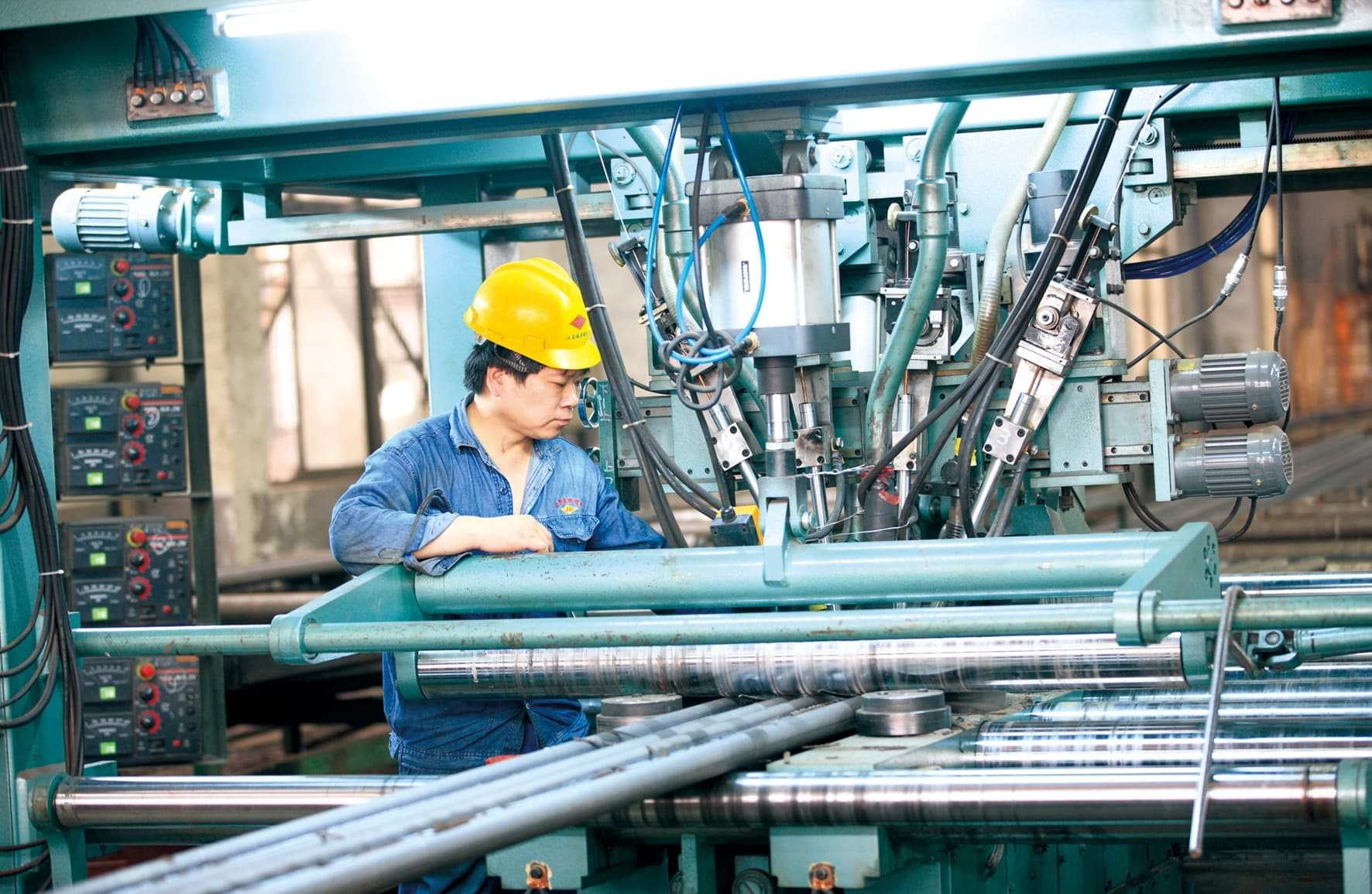
Submerged Arc Welding
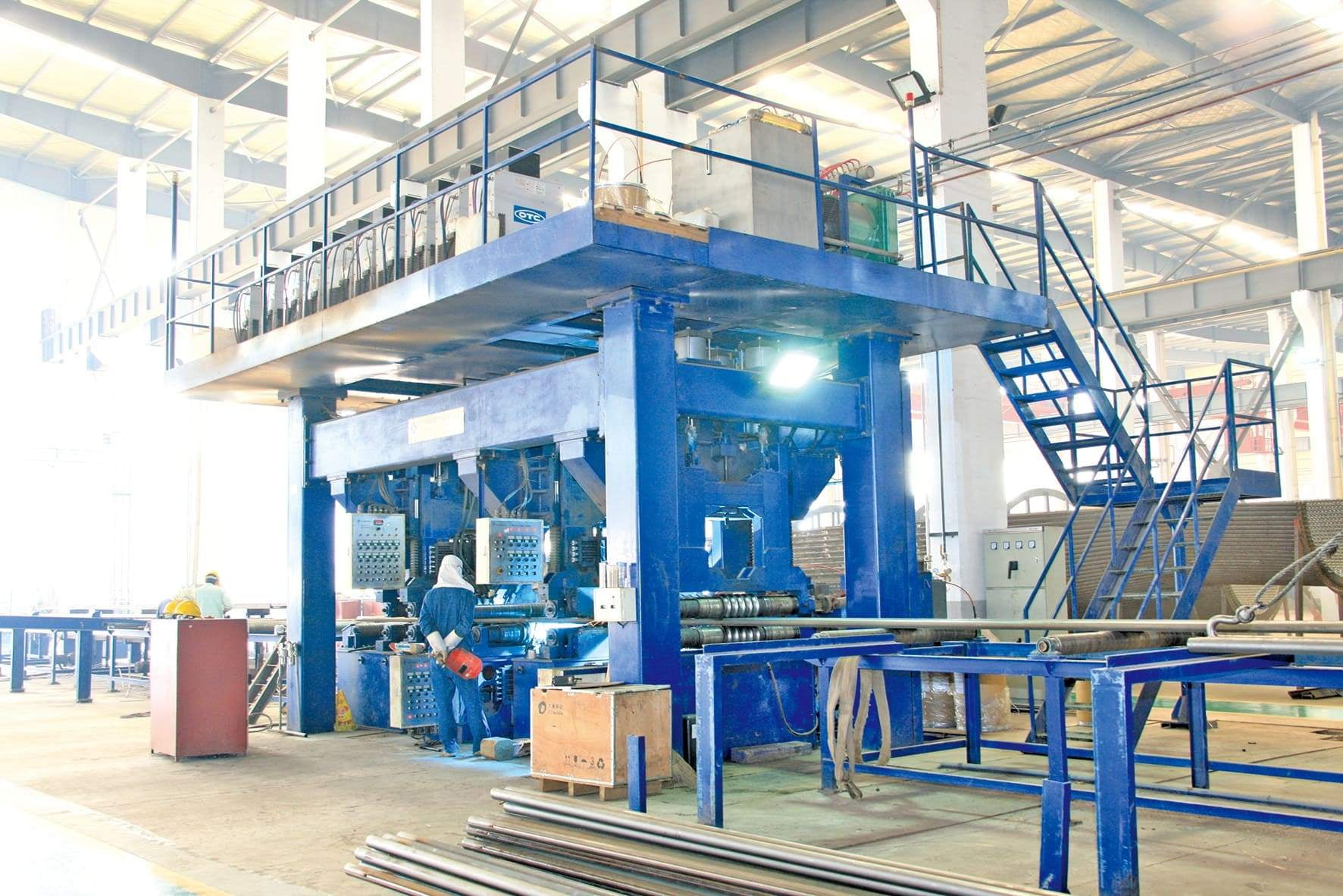
GMAW Welding Line
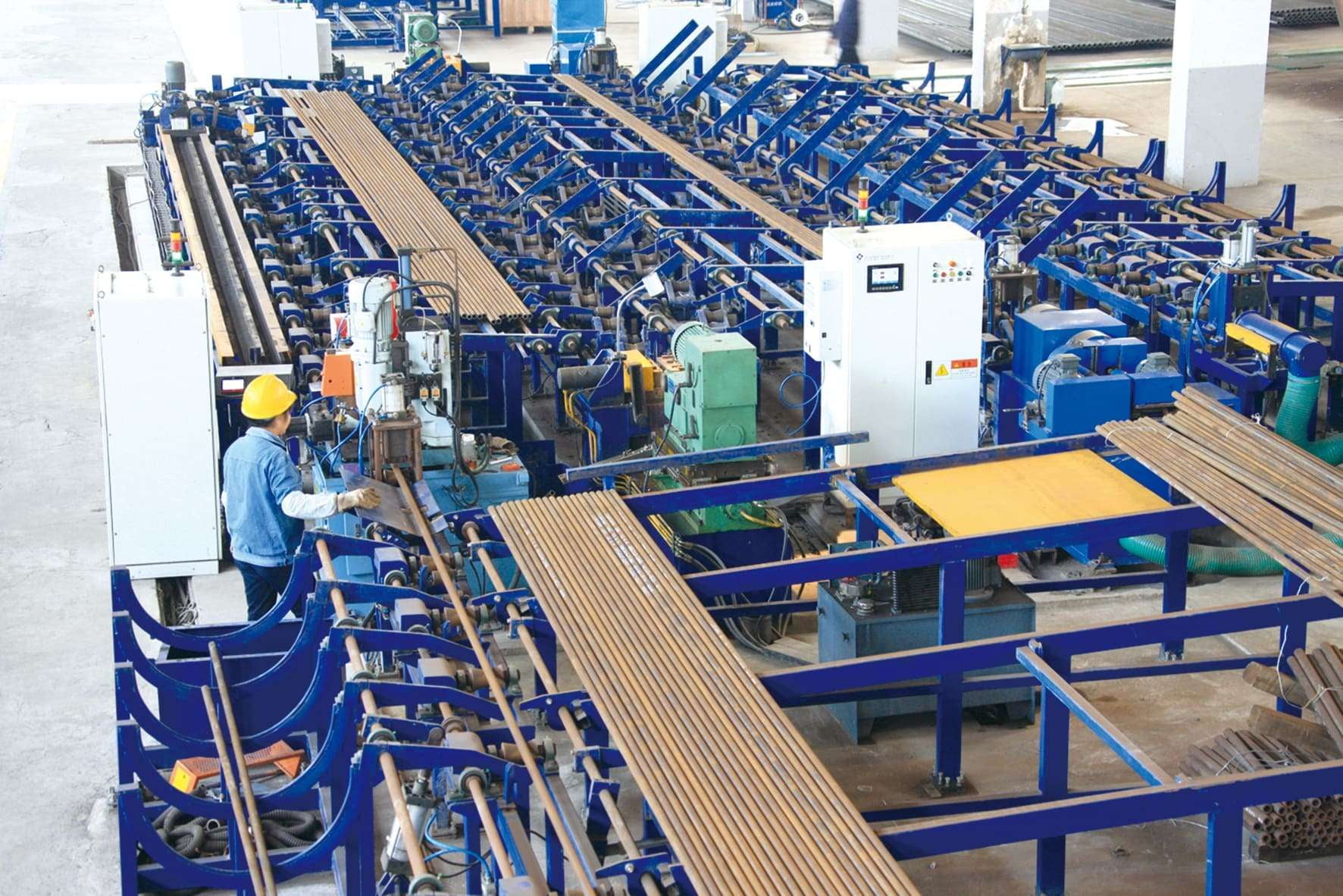
Chamfering Machine
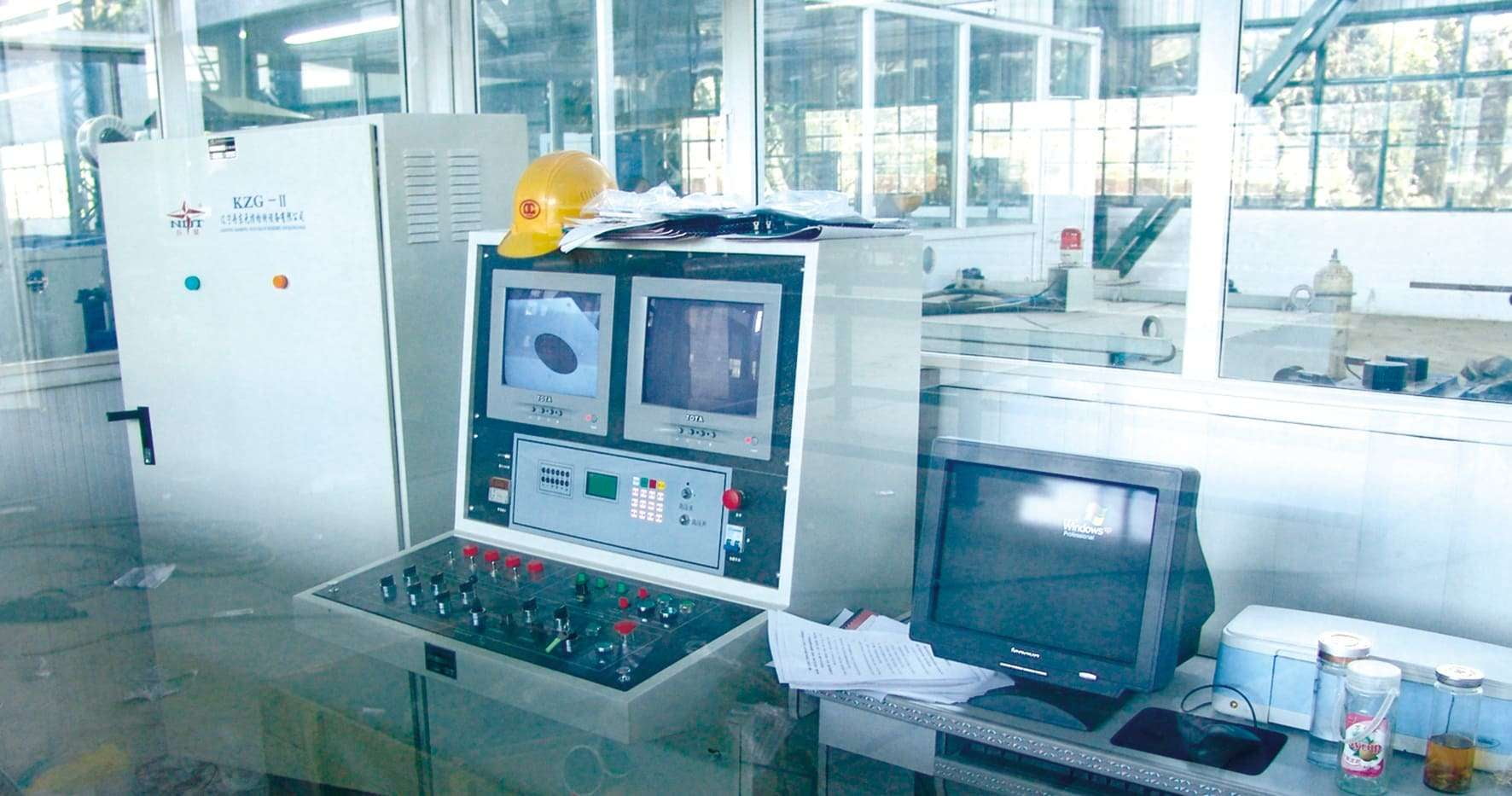
Testing Laboratory
.jpg)
NDT Radiography
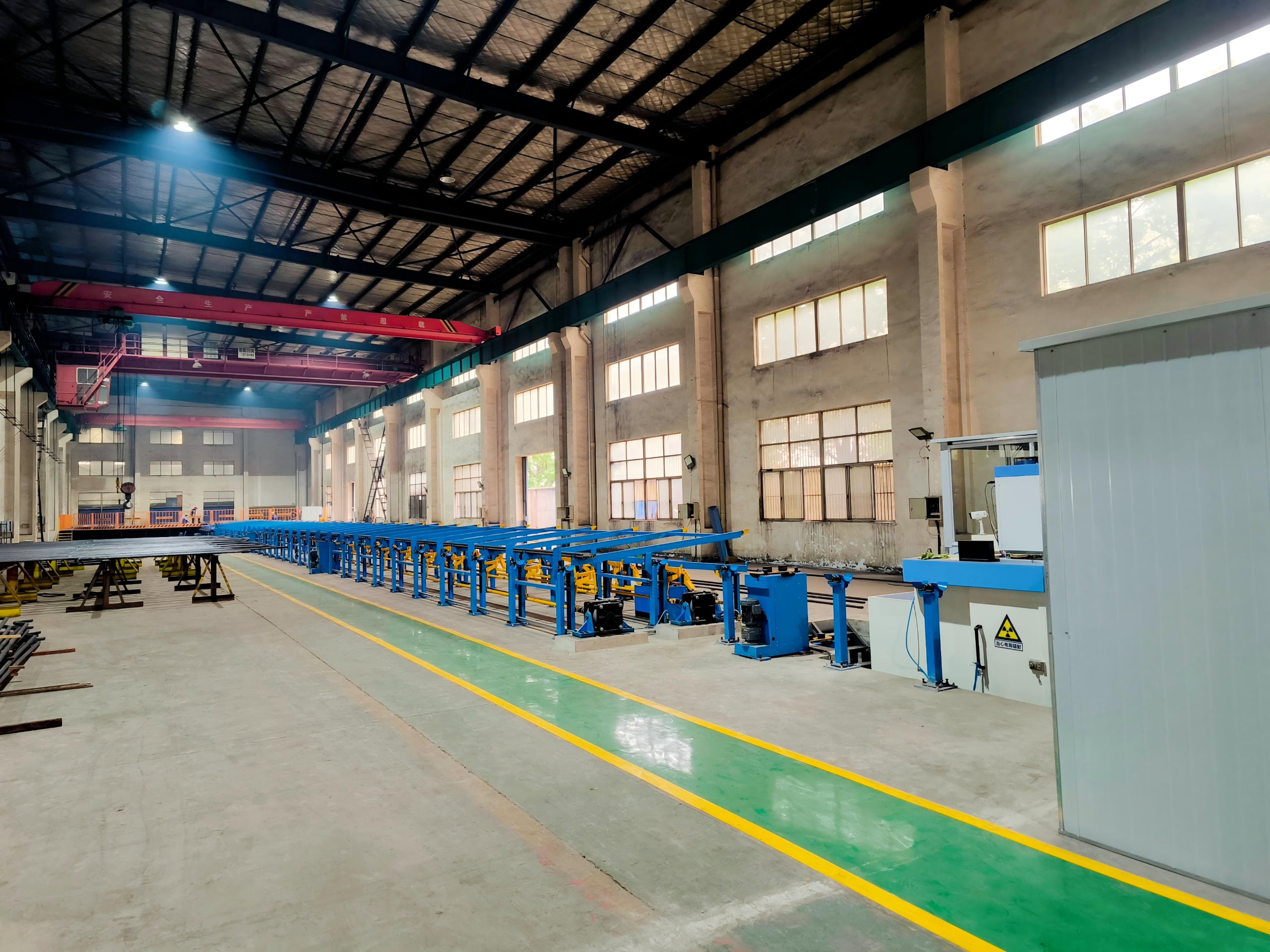
Assembly Workshop
Manufacturing Process
From Design to Delivery
A clear workflow that your project and engineering teams can easily follow.
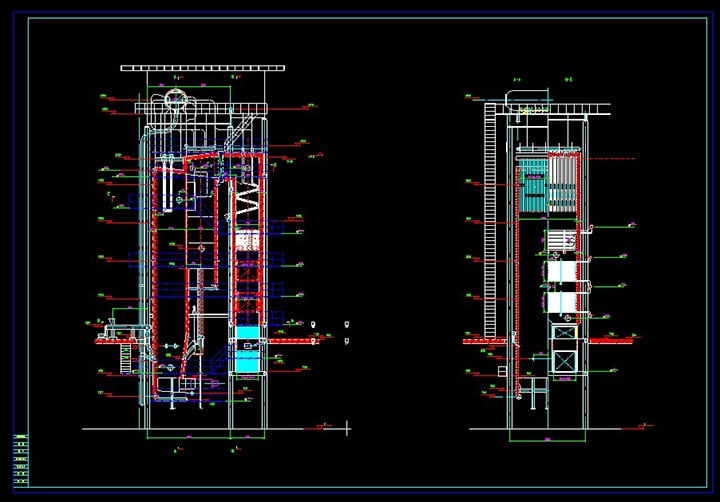
Engineering & Layout Review
We start from your boiler GA drawings, flue-gas data and combustion-air system to define the APH position, connections and cleaning method.
- Check flue gas temperature, flow and dust / corrosive components
- Confirm desired air outlet temperature and allowable pressure drop
- Review maintenance access and replacement routes
Material Selection & Procurement
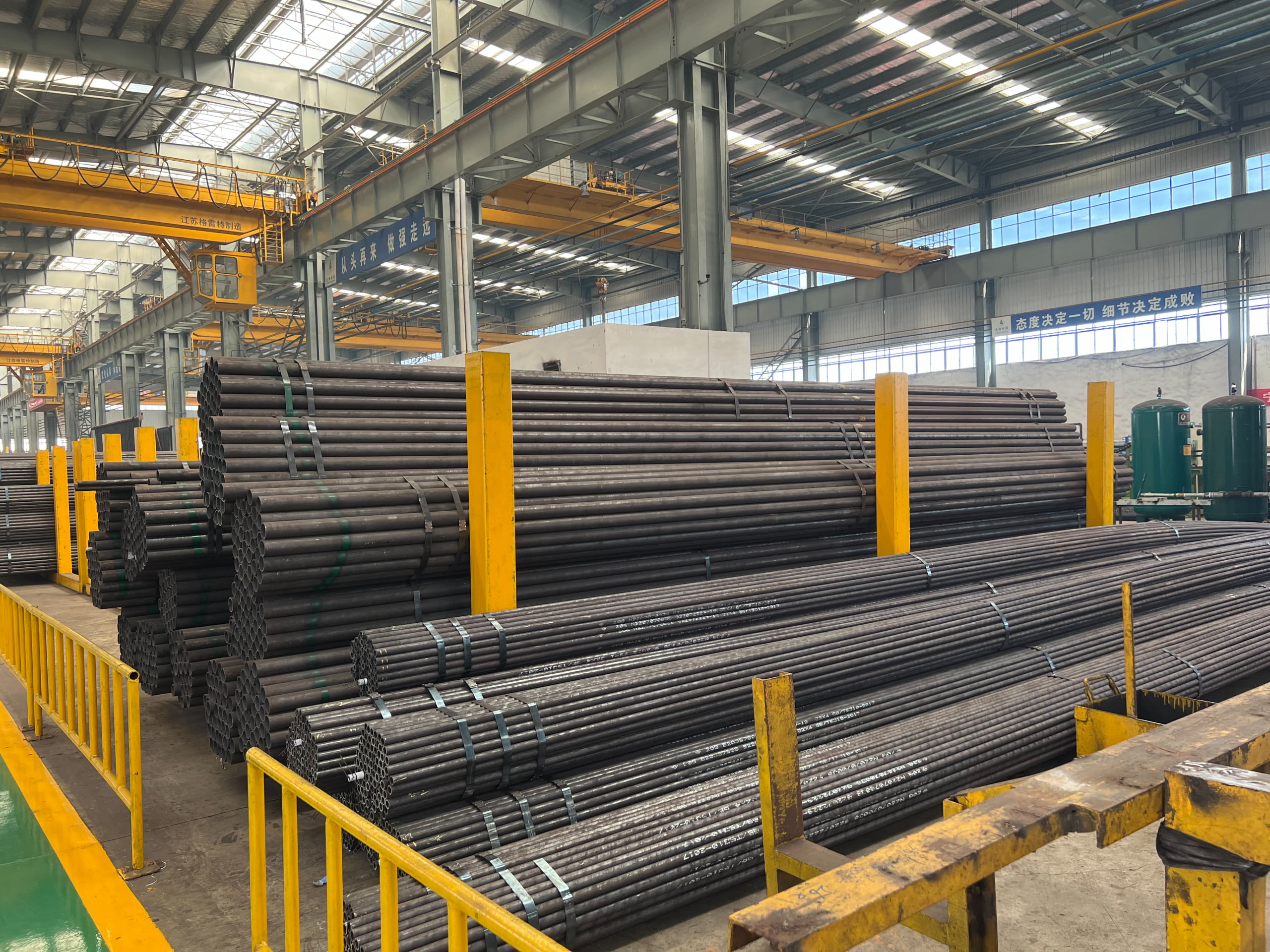
Tube, header and casing materials are selected according to your specification and the actual flue gas environment.
- Standard carbon-steel tubes for normal conditions
- ND(09CrCuSb) or other special grades for low-temperature corrosion areas
- MTC review, identification and storage with traceability
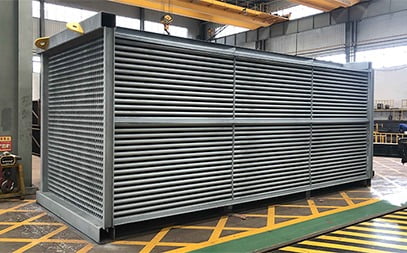
Tube Bundle Fabrication
Tube cutting, bending, welding and bundle assembly follow controlled procedures to match your drawing and interface dimensions.
- Tube pitch and bundle arrangement as per thermal design
- Welding procedures and qualified welders for tube-to-tube-sheet joints
- Internal cleaning and protection before assembly
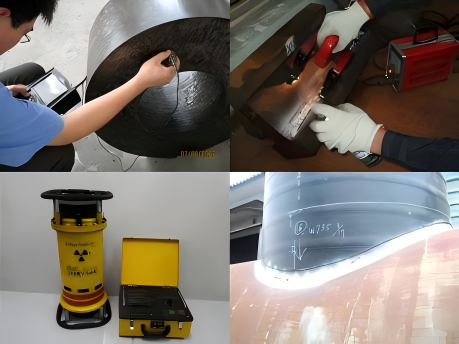
Quality Inspection & NDT
Inspection scope is defined in the ITP according to project requirements.
- Visual and dimensional inspection for critical welds and interfaces
- NDT such as RT, UT, PT and MT for specified weld joints
- Leak and pressure tests where applicable
Surface Protection & Shipping
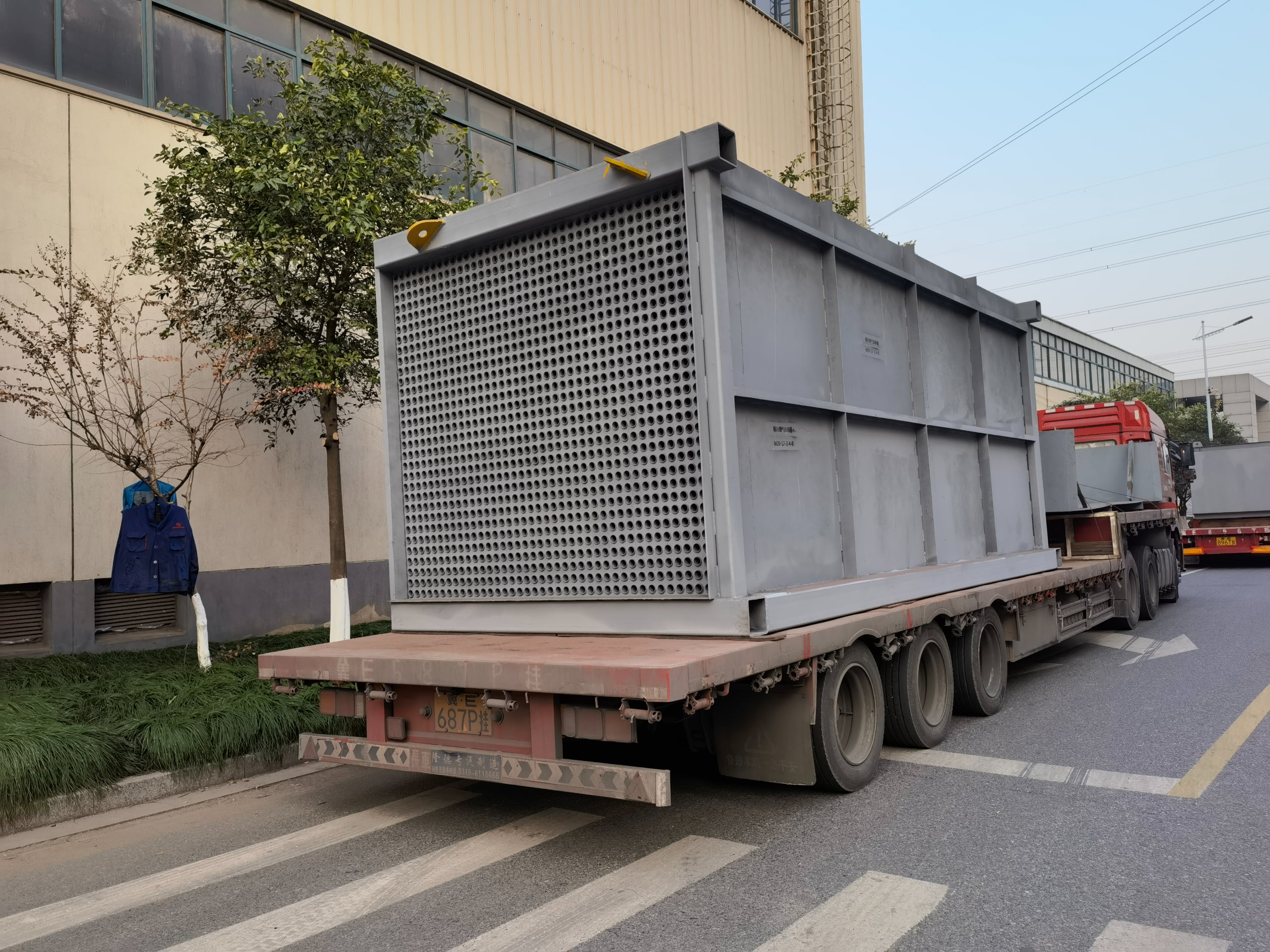
Before shipment, air preheater modules are protected and packed for overseas transport and site handling.
- External painting or coating according to your paint system
- Blocking and bracing for sea transport, with lifting points marked
- Packing list and photo documentation for each shipment
Technical Overview
How Air Preheaters Improve Boiler Systems
The air preheater is installed in the flue gas path downstream of the boiler. Hot flue gas transfers heat to the incoming combustion air, which then enters burners or furnace with a higher temperature.
Performance Benefits
- Helps fuel ignite more easily and burn more completely
- Lowers flue gas outlet temperature and reduces wasted heat
Application Value
- Supports firing of high-moisture biomass and waste-derived fuels
- Works together with economizer and other heat-recovery equipment
Bottom Line: Compared with a boiler without air preheater, properly designed APH can noticeably reduce fuel consumption over the long term and improve the stability of the combustion process.
Common APH Problems & Solutions
Low-Temperature Corrosion
Cause: Flue gas temperature drops below acid dew point, causing sulfuric acid condensation on tube surfaces
ORL Solution: ND(09CrCuSb) tubes in cold-end zones, proper minimum temperature control, regular inspection openings
Ash Fouling & Plugging
Cause: High dust loading in flue gas, sticky ash deposits on tube surfaces reducing heat transfer
ORL Solution: Optimized tube pitch for cleanability, soot blower provisions, water washing access where applicable
Air Leakage
Cause: Thermal expansion mismatches, gasket degradation, poor joint sealing
ORL Solution: Expansion joint design, high-temperature gasket selection, leak testing before shipment
Inadequate Heat Transfer
Cause: Wrong tube size/pitch, undersized heat transfer area, poor flow distribution
ORL Solution: Thermal calculation based on actual flue gas data, not catalog assumptions; CFD analysis for complex cases
Critical Insight: Most APH failures are preventable through proper material selection for the flue gas environment and adequate cleaning provisions. "One-size-fits-all" catalog solutions often fail because they don't account for your specific fuel, ash characteristics, and operating pattern.
Selection Guide
Key Parameters for APH Selection
Operating Data Needed
-
Boiler Information: Type, steam capacity / heat duty and operation hours
-
Fuel Characteristics: Fuel type and composition (sulfur, chlorine, ash content)
-
Flue Gas Conditions: Temperature and flow rate at APH inlet
Design Requirements
-
Target Performance: Required air outlet temperature and current air temperature
-
Maintenance Strategy: Dust loading and allowed cleaning method (soot blower, water washing)
-
Site Constraints: Available installation space and connection interface
Professional Tip: When you send an inquiry, sharing at least part of the data above helps our engineers quickly judge the APH size, material and layout options that fit your project. Even partial information (e.g., "130 t/h CFB boiler burning anthracite coal, flue gas at APH inlet ~350°C") is a good starting point - our engineers can ask focused questions afterwards.
Ready to Discuss Your Air Preheater Project?
Share your boiler data and targets with us. Our team will review the information and get back to you with engineering suggestions and a quotation.
Information to Provide:
- Boiler type, capacity and main fuel
- Flue gas temperature at APH position
- Required air outlet temperature
- Any special material or code requirements
Request Air Preheater Quote
Please leave your contact information and basic requirements. We will reply as soon as possible.